
The BDC Is Dead: Why Your Dealership Needs a Client Success Team Instead
Let me ask you something: When's the last time your BDC did anything more than answer phones and set appointments?
If you're being honest, your Business Development Center probably feels more like a call center than a talent incubator. And that's the problem. Dealerships don't have a hiring problem: they have an onboarding problem. And it's costing you retention, culture, and serious money.
It's time to kill the BDC and replace it with something that actually builds your future: The Client Success Team (CST).
The Talent Crisis You Can't Ignore
Let's face it: the numbers don't lie. According to NADA workforce studies, dealerships are hemorrhaging talent. Industry turnover rates in customer-facing roles like service advisors regularly exceed 40% annually. That's almost half your team walking out the door every single year.
Meanwhile:
- The average dealership technician is over 42 years old
- Fewer young workers are choosing automotive retail careers
- Gen Z ranks "career path visibility" and "training investment" as top employment priorities
- LinkedIn research shows structured onboarding improves retention by up to 82%
- Only 12% of employees strongly agree their organization does a great job onboarding (Gallup)
We're not losing people because they can't do the job. We're losing them because we fail to show them a future.
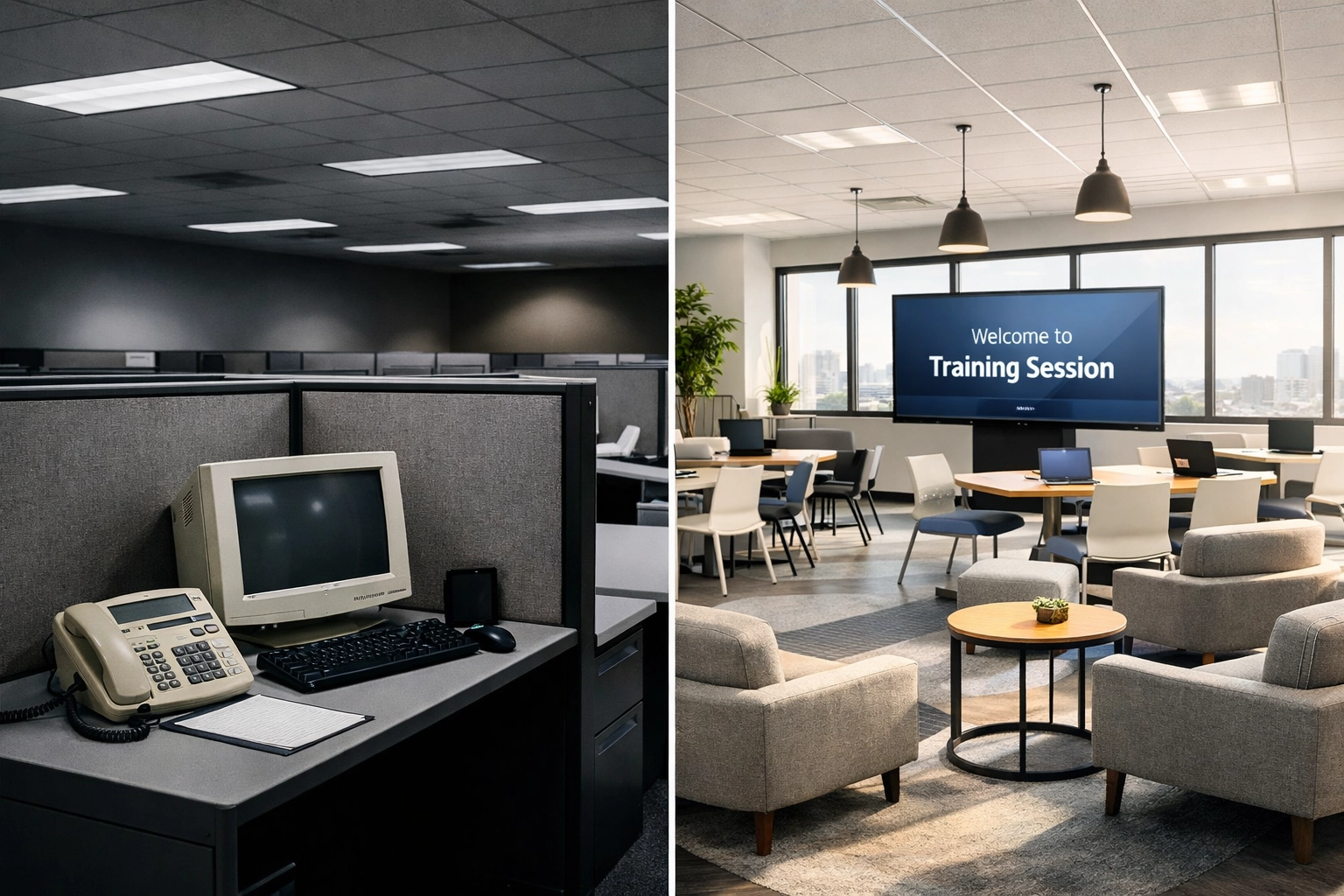
The Broken Onboarding Model
Here's how most dealerships still operate:
Hired a technician? Here's your bay. Good luck.
New salesperson? Here's your desk. Start closing.
Service advisor? Here's the drive. Don't screw it up.
Then we cross our fingers and hope they survive.
That model might have worked 30 years ago when people stayed at jobs for decades. It doesn't work with today's workforce. Younger generations aren't just looking for a paycheck: they're looking for structure, coaching, clear advancement paths, skill development, and confidence before pressure.
If you don't provide it, someone else will. And they'll take your best hires with them.
Enter the Client Success Team Model
What if every new hire started in one place? What if your BDC became the front door to your entire dealership career path?
Here's how the Client Success Team model works:
Every new hire begins in CST for a minimum of 2 weeks (30 days recommended). During that time, they complete:
- Manufacturer training
- DMS systems training
- Communication and phone skills training
- Process and workflow training
- Customer experience development
From there, based on observed strengths and performance, they move into:
- Service Advisor
- Technician
- Parts Counter
- Sales
- Body Shop
- Administrative roles
- Or they stay and grow within CST
You hire for attitude and personality. You train for skill. That's how you build long-term talent pipelines instead of constantly replacing people.
This isn't just service advisor training: it's a culture shift that impacts your entire fixed ops structure.

The Recruiting Message That Actually Works
The automotive industry has a branding problem. We advertise positions, not opportunity.
Instead of "Now Hiring Service Advisor," imagine this:
Thinking of a New Career?
Come Get Paid to Train.
Unlimited Paths. We Build Leaders.
That message resonates with Gen Z and younger Millennials who want flexibility and advancement. They're not afraid of hard work: they're afraid of dead ends.
The automotive industry has one of the widest career paths in retail: technician, sales, management, finance, operations. But we rarely show that roadmap up front. The CST model makes it visible from day one.
Why This Model Wins (And the Numbers Prove It)
The Client Success Team approach isn't just good for culture: it's good for business. Here's why:
- It reduces early turnover by setting realistic expectations and building confidence
- It builds communication skills across all departments before specialization
- It identifies natural strengths before placing someone in the wrong role
- It creates internal promotion pipelines instead of constant external hiring
- It improves customer experience because everyone understands the full journey
Gallup data shows employees who feel they have development opportunities are nearly 3x more likely to be engaged at work. Engaged employees produce better CSI. Better CSI drives retention. Retention drives revenue.
This isn't a soft HR initiative. It's a financial strategy.

The Financial Impact You Can't Ignore
Let's do the math, because this is where it gets real.
If improved onboarding and fixed ops training reduces service advisor turnover by just one position per year, you avoid:
- Recruiting costs ($3,000–$5,000)
- Lost productivity during vacancy (weeks or months of reduced capacity)
- Training reset time for the replacement
- Damaged client relationships and lost CSI scores
If stronger onboarding and CST training improve appointment show rates by even 5%, that translates to hundreds of additional ROs annually.
If process-trained employees increase HPRO by just 0.3 per ticket across your service team, the gross impact compounds quickly into six figures annually.
This isn't theory. It's math. And it's money you're leaving on the table every single day you keep running a traditional BDC.
The Real Shift: From Call Center to Career Launchpad
The Client Success Team is not a rebrand. It's a philosophy shift.
It says:
We don't just hire. We develop.
We don't just fill seats. We build careers.
We don't just answer phones. We control the client experience.
If you want to set your clients up for success, you must set every new hire up for success first.
Want to see how the best dealerships are turning their service departments into profit centers? Check out our approach to service advisor online training and BDC training that actually drives results.
The stores that figure this out now will dominate the next five years of automotive retail. The question is: Will yours be one of them?
Let's make sure your next hire doesn't just survive: they thrive. That starts with treating your BDC like the culture incubator it should be.